
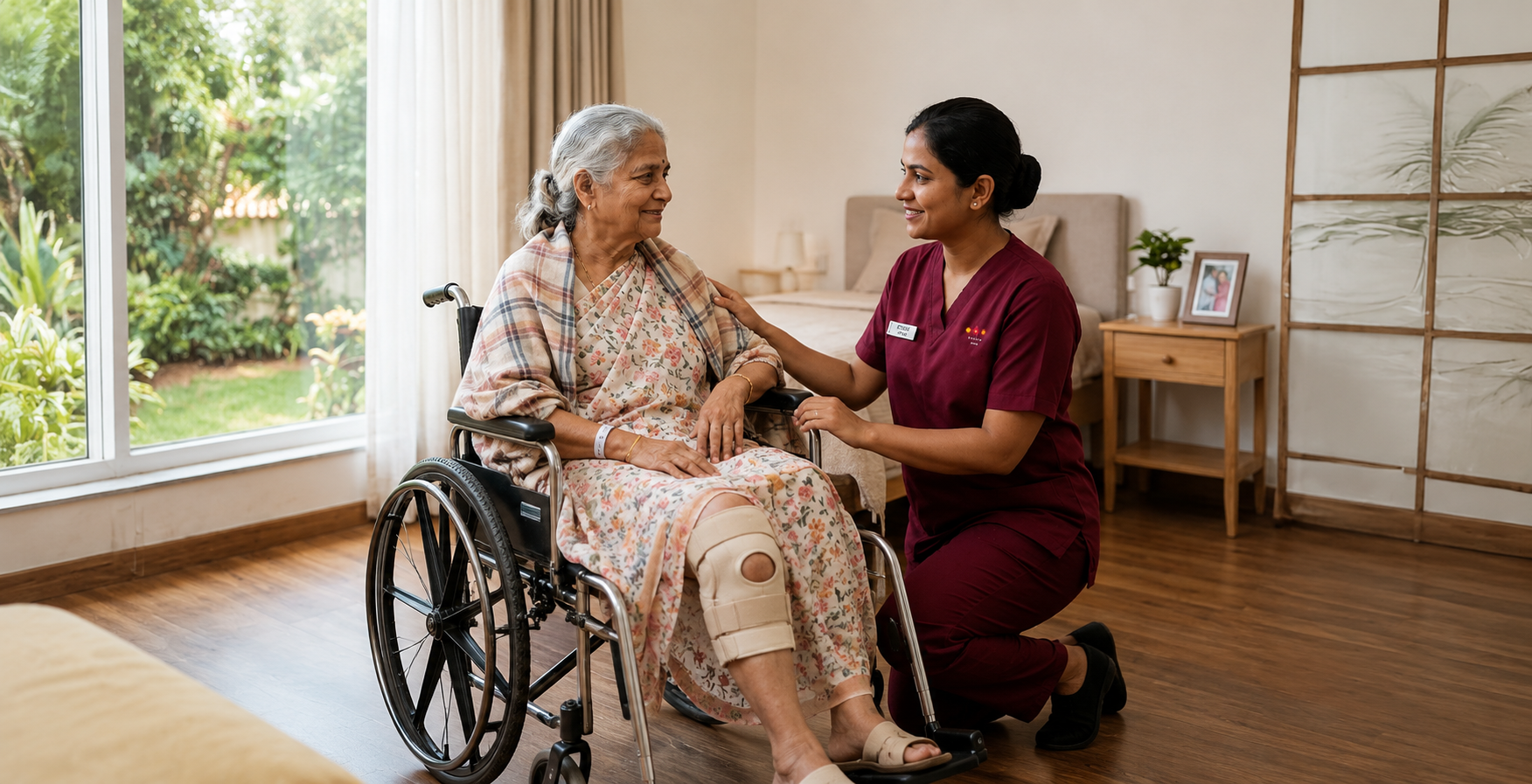
A stroke can affect far more than physical movement. For many survivors and families, one of the most distressing changes is slurred speech. A person who once communicated clearly may suddenly struggle to pronounce words, speak fluently, or express simple thoughts properly.
In many cases, the patient understands everything happening around them but cannot speak clearly enough to be understood. This often creates frustration, embarrassment, emotional withdrawal, and loss of confidence.
Slurred speech after stroke is common, especially when the brain areas controlling facial muscles, tongue movement, breathing coordination, or speech production get affected. While some patients recover gradually, others require long-term rehabilitation and continuous speech therapy support.
The good news is that recovery is possible. With early intervention, structured speech therapy after stroke, and a consistent rehabilitation environment, many stroke survivors improve communication abilities significantly over time.
Why Slurred Speech Happens After Stroke
Speech requires coordination between the brain, facial muscles, tongue, lips, vocal cords, and breathing system. A stroke can interrupt this coordination by damaging the neurological pathways responsible for speech production.
This condition is commonly known as dysarthria.
Patients with dysarthria may:
- Speak slowly
- Slur words
- Sound unclear or muffled
- Struggle with pronunciation
- Have difficulty controlling voice volume
- Experience facial weakness
The severity of speech impairment after stroke depends on:
- Which part of the brain was affected
- Size of the stroke
- Delay in treatment
- Age and overall health
- Quality of rehabilitation received
In severe cases, speech may become difficult to understand entirely. In milder cases, only certain sounds or words may appear unclear.
For families, this often becomes emotionally difficult because communication suddenly changes overnight.
The Emotional Impact of Slurred Speech
Speech is deeply connected to identity and independence.
When communication becomes difficult, many stroke survivors begin avoiding conversations because they feel embarrassed or frustrated. Some stop participating in social activities altogether because they fear being misunderstood.
Simple daily situations become emotionally stressful:
- Asking for help
- Speaking on phone calls
- Interacting with visitors
- Expressing discomfort or pain
- Participating in family discussions
This emotional isolation can gradually affect mental health and reduce motivation for rehabilitation.
Families also struggle emotionally. Many caregivers feel helpless when they cannot fully understand the patient’s needs or emotions.
This is why speech rehabilitation after stroke should never be treated as secondary recovery support. Communication recovery plays a major role in emotional wellbeing and quality of life.
Understanding Speech Impairment After Stroke
Not every speech problem after stroke is the same.
Some patients mainly experience slurred pronunciation because of muscle weakness. Others may also struggle with language understanding or word formation.
Speech impairment after stroke may involve:
- Muscle weakness affecting speech clarity
- Difficulty coordinating mouth movements
- Problems understanding language
- Trouble forming words
- Reduced voice control
- Slow speech production
In many cases, speech difficulties are also associated with swallowing issues, facial weakness, or paralysis affecting one side of the body.
This is why rehabilitation usually requires a multidisciplinary approach instead of isolated therapy sessions.
Can Slurred Speech Improve After Stroke?
Yes, many patients improve with proper rehabilitation.
The brain has the ability to gradually reorganize and rebuild neurological pathways through a process called neuroplasticity. Repetitive speech exercises and structured therapy help stimulate this recovery process.
However, improvement depends heavily on:
- Early rehabilitation
- Consistency of therapy
- Severity of stroke
- Family involvement
- Overall neurological recovery
- Emotional support
Neurological specialists often describe the first few months after stroke as the most active recovery phase. During this period, structured therapy can significantly improve recovery outcomes.
That said, recovery timelines vary widely. Some patients recover within weeks, while others may require prolonged rehabilitation support.
Why Speech Therapy After Stroke Is Important
Speech therapy after stroke focuses on improving clarity, coordination, communication ability, and confidence.
Speech-language therapists evaluate:
- Speech clarity
- Muscle coordination
- Language understanding
- Cognitive function
- Swallowing ability
- Communication patterns
Based on the assessment, a structured therapy plan is created according to the patient’s condition.
Therapy may include:
- Pronunciation exercises
- Tongue and facial muscle exercises
- Breathing coordination training
- Repetition exercises
- Voice control practice
- Cognitive communication activities
- Swallowing rehabilitation
Therapists also guide families on how to communicate more effectively with the patient during recovery.
Recovery is usually gradual. Patients improve through repeated practice and consistent rehabilitation rather than quick short-term exercises.
Why Consistency Matters in Stroke Speech Recovery
One of the biggest challenges families faces is maintaining therapy consistency after discharge.
Initially, families remain highly motivated, but over time, practical difficulties begin to affect rehabilitation routines. Travel therapy sessions, caregiver fatigue, work responsibilities, and emotional stress often disrupt continuity.
Unfortunately, irregular therapy can slow speech recovery significantly.
Stroke speech recovery time varies for every patient, but consistency remains one of the most important factors influencing improvement.
Daily guided exercises, regular communication practice, and continuous speech stimulation help the brain rebuild communication pathways more effectively.
This is why rehabilitation environments that provide structured therapy schedules often improve continuity compared to fragmented rehabilitation routines.
Why Home Recovery Becomes Difficult for Many Families
Many families initially prefer recovering at home because it feels emotionally comforting for the patient.
However, stroke recovery often becomes physically and emotionally demanding after a few weeks.
Patients with speech impairment after stroke may also require:
- Stroke physiotherapy
- Mobility assistance
- Swallowing support
- Nursing care
- Medication management
- Fall prevention
- Emotional supervision
Managing all these needs together at home can become overwhelming, especially when caregivers are elderly spouses or working family members.
Communication difficulties also increase frustration during caregiving. Patients may struggle to explain pain, discomfort, hunger, or emotional distress clearly.
This often creates emotional stress on both sides.
The Importance of a Continuous Rehabilitation Environment
Stroke recovery works best when rehabilitation becomes part of a structured daily routine.
A continuous rehabilitation environment helps maintain:
- Regular therapy schedules
- Daily communication practice
- Medical supervision
- Emotional engagement
- Multidisciplinary rehabilitation
- Consistent monitoring
Patients recovering from stroke often need coordinated rehabilitation support rather than isolated therapy sessions once or twice a week.
Structured stroke rehabilitation environments also help reduce interruptions in therapy, which is extremely important during the active neurological recovery phase.
For elderly stroke survivors with mobility limitations or paralysis recovery needs, supervised rehabilitation becomes even more important because rehabilitation gaps can slow overall recovery significantly.
Family Support Plays a Major Role
Even with professional therapy, family involvement remains critical.
Simple communication techniques can support recovery:
- Speak slowly and clearly
- Give the patient enough response time
- Avoid correcting every mistake
- Encourage conversation attempts
- Reduce background noise
- Maintain eye contact
- Use simple language
Families should understand that slurred speech does not necessarily mean reduced intelligence or understanding. Many patients remain mentally aware despite communication difficulties.
Patience and emotional reassurance help patients remain motivated during recovery.
Stroke Recovery Is About Rebuilding Confidence
Communication recovery affects much more than speech.
When patients regain the ability to express themselves clearly, they often regain emotional confidence as well. Simple improvements such as speaking understandable sentences, communicating needs independently, or participating in conversations can significantly improve mental wellbeing.
This is why stroke rehabilitation should focus not only on physical mobility but also on communication recovery and emotional rehabilitation.
Recovery after stroke is rarely a straight path. Progress may appear slow initially, but consistent rehabilitation often leads to meaningful improvement over time.
Final Thoughts
Slurred speech after stroke can deeply affect communication, confidence, emotional wellbeing, and independence. For many families, it becomes one of the most emotionally challenging parts of stroke recovery.
However, meaningful improvement is possible with timely intervention, structured speech therapy after stroke, and consistent neurological rehabilitation.
Recovery depends heavily on continuity of care. Patients recovering from speech impairment after stroke often benefit most when therapy becomes part of a supervised and structured rehabilitation routine rather than fragmented or irregular support.
With patience, emotional encouragement, and continuous rehabilitation, many stroke survivors regain communication abilities and improve their overall quality of life over time.