
Archives

Understanding The Front Differential: Key Function And Maintenance

The front differential plays a crucial role in your vehicle’s performance. Responsible for distributing power to the front wheels, it ensures smooth navigation on challenging terrains. Whether you’re an off-road enthusiast or simply navigating through everyday roads, understanding how the front differential works can offer insights into your vehicle’s capabilities. Join us as we delve into the inner workings of the front differential, unravel its complexities, and uncover how it contributes to your driving experience. Let’s explore the power behind the front differential and unlock its potential.

Understanding the Front Differential: Key Function and Maintenance

The Fascinating World of Front Differentials: Exploring How They Work and Why They Matter

Welcome, young explorers, to the exciting realm of front differentials – the mechanical marvels that play a vital role in the performance and functionality of your favorite vehicles! In this adventure-packed blog post, we will embark on a journey to uncover the secrets of front differentials, unraveling the mysteries behind their operation and understanding why they are crucial for smooth and safe driving experiences.

Understanding the Basics of Front Differentials

Let’s start our expedition by diving into the fundamentals of front differentials. But first, what exactly is a front differential? Well, think of it as a superhero that lives inside your vehicle’s front axle, working tirelessly to ensure that your wheels can spin at different speeds when needed.

Imagine you’re driving your trusty four-wheeler around a sharp corner. As you turn, the inner wheel travels a shorter distance than the outer wheel. Here’s where the front differential swoops in to save the day! It allows the wheels to rotate at varying speeds, preventing your tires from scrubbing against the road and ensuring a smooth turn.

Front differentials are especially crucial in vehicles with front-wheel drive or all-wheel drive systems. They help distribute power evenly between the front wheels, enhancing traction and stability in various driving conditions.

How Front Differentials Work Their Magic

Now that we’ve grasped the concept of front differentials, let’s peek under the hood (figuratively speaking) to see how these mechanical wonders operate. At the heart of every front differential lies a set of gears – the secret sauce that allows for speed differentiation between the wheels.

When power from the engine reaches the front differential, it gets divided between the two front wheels. As you navigate twists and turns, the gears inside the differential adjust their speed ratios, ensuring that each wheel receives the appropriate amount of power to keep your ride stable and balanced.

The Role of Spider Gears and Pinion Gears

Within the front differential, you’ll find intricate components such as spider gears and pinion gears working in harmony to orchestrate the magic of speed variance. Spider gears, aptly named for their spider-like appearance, are responsible for allowing the wheels to rotate independently when needed. On the other hand, pinion gears transmit power from the driveshaft to the ring gear, setting the stage for a synchronized wheel performance.

Together, these gears form a symphony of movement, ensuring that your vehicle can tackle diverse terrains with grace and precision. It’s like having a symphony orchestra playing inside your car, with each instrument (or gear) contributing to the melodious performance of your vehicle!

The Importance of Front Differentials in Vehicle Performance

Front differentials are not just fancy gadgets that make your wheels spin – they are integral components that directly impact your vehicle’s overall performance and safety. By enabling smooth power distribution and wheel speed differentiation, front differentials enhance your car’s handling capabilities and improve traction on slippery or uneven surfaces.

Imagine driving on a snowy road without a front differential – your wheels would struggle to gain traction, leading to a slippery and potentially dangerous situation. Front differentials ensure that power is distributed effectively, allowing you to navigate challenging terrains with confidence and control.

Off-Road Adventures and Front Differentials

For all the budding off-road enthusiasts out there, front differentials are your best friends when it comes to conquering rugged trails and rocky terrains. Off-road vehicles rely heavily on front differentials to navigate obstacles, climb steep inclines, and traverse through mud and gravel.

Front differentials equipped with locking mechanisms can provide additional traction by locking both wheels together, allowing for maximum power transfer in tricky off-road scenarios. So, the next time you embark on an off-road adventure, remember to thank your trusty front differential for keeping you steady and secure!

Common Front Differential Issues and Maintenance Tips

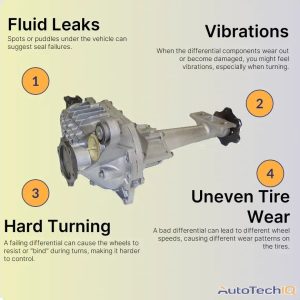
Like all superheroes, front differentials require regular care and maintenance to keep them in top-notch condition. Over time, wear and tear can lead to common issues that may affect your vehicle’s performance. Here are a few common front differential problems to watch out for:

1. Differential Fluid Leaks

One of the most common issues with front differentials is fluid leaks. The differential fluid is essential for lubricating the gears and bearings inside the differential. If you notice fluid pooling under your vehicle or a sudden drop in fluid levels, it’s crucial to have the leak addressed promptly to prevent damage to the differential components.

2. Noisy Differential

If you hear strange grinding or whining noises coming from your front differential while driving, it could indicate worn-out gears or bearings. Ignoring these noises could lead to further damage and costly repairs down the road. Get your vehicle inspected by a professional mechanic to diagnose and address the issue.

3. Lack of Traction

If you find your vehicle slipping or skidding even on mild terrains, it could be a sign of a front differential issue. Insufficient traction may result from worn-out gears, improper lubrication, or other internal faults within the differential. Regularly checking and maintaining your differential can help prevent such issues and ensure a safe driving experience.

Maintaining Your Front Differential: A Quick Guide

Now that we’ve highlighted some common front differential issues, let’s dive into essential maintenance tips to keep your front differential running smoothly:

1. Regular Differential Inspections

Make it a habit to inspect your front differential for leaks, unusual noises, or signs of wear. Routine visual checks can help you catch potential problems early and prevent more significant issues down the line.

2. Change Differential Fluid

Regularly changing the differential fluid is crucial for maintaining optimal performance. Over time, the fluid can break down and lose its lubricating properties, leading to increased friction and wear on the differential components. Consult your vehicle’s manual for recommended fluid change intervals.

3. Professional Differential Service

For complex maintenance tasks or repairs, it’s best to seek the expertise of a professional mechanic. They can perform thorough inspections, diagnose issues accurately, and execute repairs using specialized tools and equipment.

Conclusion: Embracing the Power of Front Differentials

As we conclude our thrilling exploration of front differentials, we hope you’ve gained a newfound appreciation for these unsung heroes of the automotive world. Front differentials play a crucial role in ensuring smooth and safe driving experiences, whether you’re navigating city streets or embarking on off-road escapades.

Remember, the next time you hop into a vehicle with a front-wheel drive or all-wheel drive system, take a moment to thank the front differential silently working its magic beneath you. It’s the unsung hero that keeps your wheels spinning and your adventures rolling!

Until our next adventure together, keep exploring, learning, and embracing the fascinating world of automotive marvels like the front differential. Safe travels, young adventurers!

Front Differential Replacement (3rd Gen 4runner or 1st Gen Tacoma) (Part 1)

Frequently Asked Questions

What is the function of the front differential?

The front differential is a component in a vehicle’s drivetrain that allows the front wheels to rotate at different speeds when turning, ensuring optimal traction and stability on various road surfaces.

How do you know if the front differential is failing?

Signs of front differential issues may include unusual noises, such as grinding or whining sounds, vibrations, difficulty steering, or uneven tire wear. It is best to have a professional mechanic inspect the differential for proper diagnosis.

Can I drive with a damaged front differential?

Driving with a damaged front differential is not recommended as it can lead to further issues and potential safety hazards. It is advisable to have the differential repaired or replaced promptly to avoid causing more extensive damage to your vehicle.

How often should the front differential fluid be changed?

It is generally recommended to have the front differential fluid changed according to the manufacturer’s guidelines, which is typically every 30,000 to 50,000 miles. Regular maintenance of the front differential fluid helps ensure smooth operation and longevity of the differential.

Final Thoughts

In summary, the front differential in a vehicle plays a crucial role in distributing power between the front wheels, ensuring smooth and efficient performance. Proper maintenance and timely inspection of the front differential are essential to prevent potential issues and ensure optimal functionality. By understanding the function and importance of the front differential, drivers can take proactive steps to prolong the lifespan of their vehicle and avoid costly repairs in the long run.