
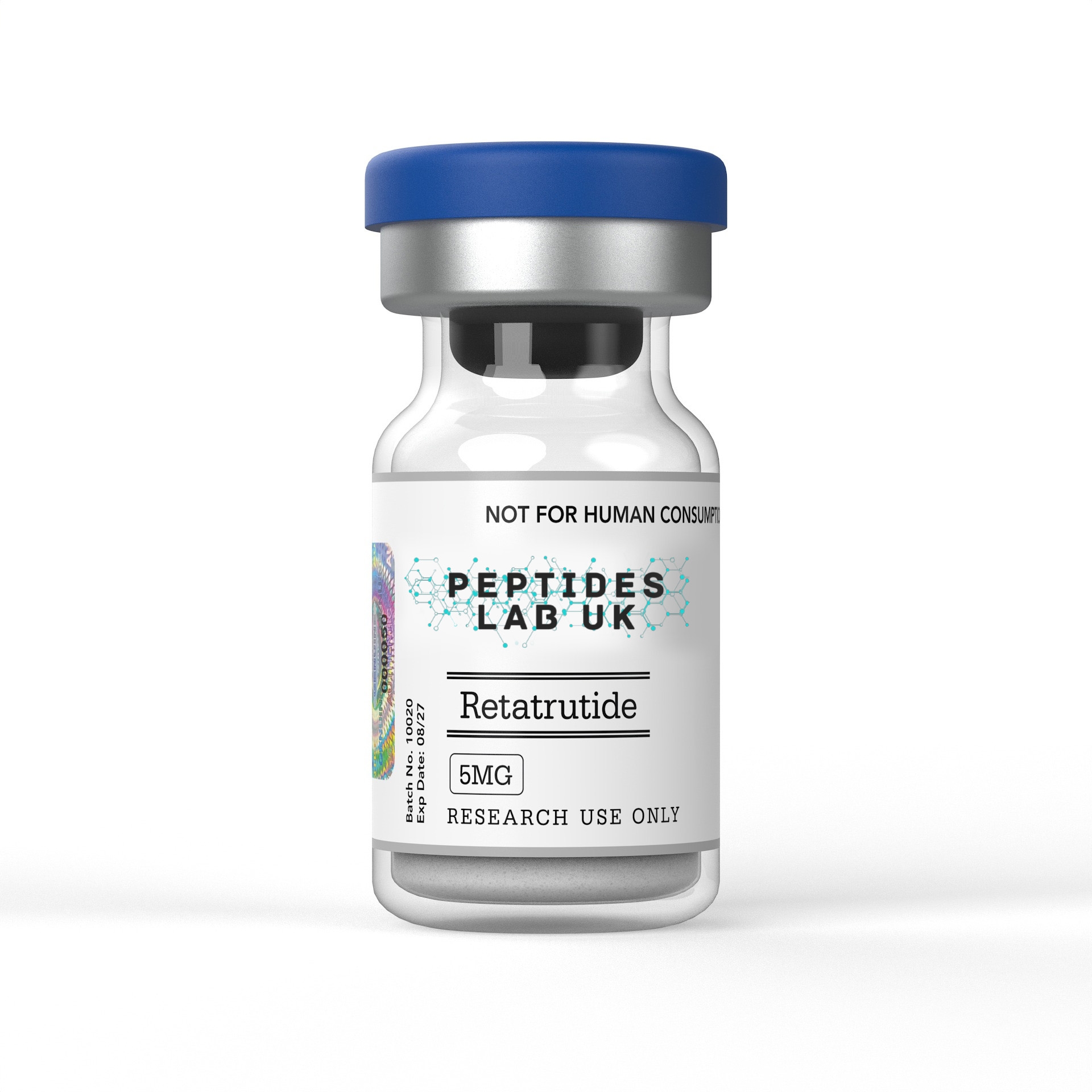
Researchers evaluate retatrutide supplier documentation before purchasing by working through five fixed steps in order. The certificate gets read first, the laboratory name second, the batch history third, and the supplier’s replies fourth, before the purchase decision itself arrives as the fifth. Each step settles one part of the file. Sourcing guides found under buy retatrutide Learn Muscles searches describe this same sequence, which shows how widely the method has settled across research practice. In the sections below, each step is described in its own section, in its working order. It takes minutes for some steps and days for others, but the results of all five sourcing rounds are comparable because the files pass through all five in the same way.
Documentation evaluation method
Method is what separates documentation evaluation from casual reading, and the five-step sequence supplies it. By passing each step, the file arrives at the decision point with everything already substantiated, leaving nothing for the final judgment to prove. There is a need for order here since the steps are interconnected. A certificate gains its meaning once the laboratory behind it is confirmed. A batch history counts once its certificates are genuine. Supplier replies get weighed against everything the paperwork already showed. Researchers hold the sequence fixed for every source, and that discipline is what lets a whole shortlist be compared file against file at the end.
- Certificate evaluation first – Certificate evaluation opens the sequence because everything afterwards references it. The reader confirms three things on one page: the compound is named, the purity figure carries its method, and the lot number is present. A certificate holding all three moves the file forward.
- Laboratory name evaluation – Laboratory evaluation follows. The reader confirms the named facility exists, holds current accreditation, and issues reports in the format shown. A verified name gives the certificate its authority, and the step closes there.
- Batch history evaluation – Batch history comes third, and the reader asks for certificates across at least three dated lots. A history whose figures sit close together confirms the operation repeats, which extends trust from one document to the whole record.
- Supplier reply evaluation – Reply evaluation runs throughout the process, but gets scored fourth. Technical questions sent early should return specific answers consistent with the file, and replies matching the paperwork close the loop on the certificate opened.
- Evaluation before purchasing – Evaluation reaches the purchase point, carrying four confirmed findings, and the decision follows from them almost on its own. A file that includes a cleared certificate, laboratory, history, and replies identifies a source that the team can order from with every claim traced to its evidence. The team places the order knowing exactly which documents support it, and the file moves into the standing records with its five steps marked complete.
Evaluating documentation through the five-step sequence gives researchers a purchase decision that is finished before it is made, since each step settles one question and together they settle them all. The method costs one working session per supplier and returns a file any reviewer can retrace, which explains why the sequence now appears in sourcing guides across the field. Completed evaluations join the team’s records too, so the next round opens with half its files already walked through the same five steps, and the method keeps paying for itself across every cycle the research programme runs from that point on.


