
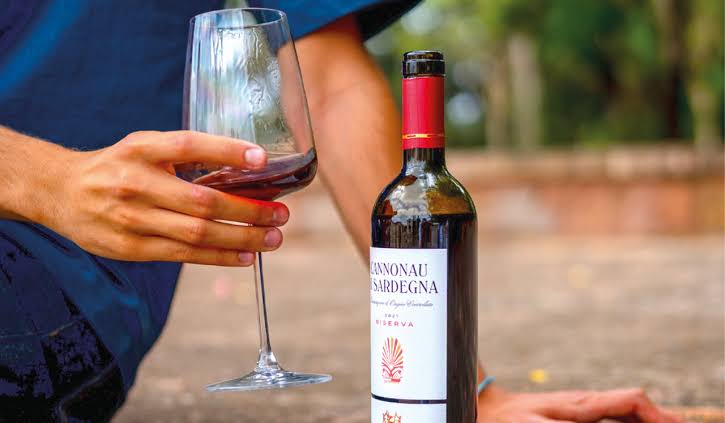
Introduction
Cannonau wine is one of Sardinia’s most famous red wines. It is known for its rich flavours, deep colour, and strong connection to local traditions. Produced on the Italian island of Sardinia, this wine reflects the region’s Mediterranean climate and long history of wine-making. For beginners exploring Italian red wines, Cannonau offers an excellent introduction to Sardinia’s distinctive wine culture.
What Is Cannonau Wine?
Cannonau is a red wine made primarily from the Cannonau grape. This grape is genetically identical to Grenache, also known as Garnacha in Spain. However, Sardinia’s climate, soils, and wine-making traditions give Cannonau its own distinctive character.
The grape grows well in warm, sunny conditions. Sardinia provides an ideal environment for cultivating it. The island experiences hot summers, mild winters, and cooling coastal influences in many areas. These conditions help grapes develop their flavours and reach full ripeness.
Cannonau is produced in several styles. Many examples are dry, medium-bodied to full-bodied red wines. Some offer fresh fruit flavours, while others develop deeper, more complex notes through ageing.
What Does Cannonau Wine Taste Like?
Cannonau wine is appreciated for its fruit-forward character and balanced structure. Its exact flavour depends on the growing region, vintage, and production methods.
Common tasting notes include:
1. Red fruits:
Cherry, raspberry, and strawberry often appear in younger wines.
2. Dark fruits:
Ripe plum and blackberry may feature in fuller-bodied examples.
3. Spices:
Black pepper and other warm spice notes can add complexity.
4. Herbal notes:
Some wines show Mediterranean herbs and earthy characteristics.
5. Oak and savoury flavours:
Oak-aged versions may develop hints of vanilla, leather, or toasted spices.
Cannonau wines generally have moderate to high alcohol levels because the grapes ripen well in warm conditions. Their acidity and tannins vary by style, making them suitable for different food pairings.
How Is Cannonau Wine Produced?
The production process begins with harvesting ripe Cannonau grapes. After harvesting, the grapes are crushed and fermented. During fermentation, yeast converts the natural sugars in the grape juice into alcohol.
Winemakers control fermentation temperatures and the contact between grape skins and juice. These factors influence the wine’s colour, tannins, and flavour. After fermentation, the wine may mature in stainless-steel tanks, concrete vessels, or oak barrels.
Stainless steel helps preserve fresh fruit flavours. Oak ageing can add texture and complexity. Some Cannonau wines are released relatively young, while others benefit from additional ageing before bottling.
What Food Pairs Well with Cannonau Wine?
Cannonau’s rich fruit flavours and structure make it a versatile choice for many dishes. Traditional Sardinian cuisine offers several excellent pairing options.
Consider serving Cannonau with:
1. Grilled meats:
Lamb, beef, and pork complement its rich flavours.
2. Roasted vegetables:
Aubergines, peppers, and mushrooms work well with its savoury notes.
3. Hard cheeses:
Aged Pecorino and other mature cheeses balance the wine’s fruitiness.
4. Pasta dishes:
Tomato-based sauces and hearty meat ragù pair naturally with many Cannonau styles.
5. Mediterranean dishes:
Herb-seasoned roasts and rustic regional recipes bring out the wine’s character.
For the best experience, serve Cannonau slightly below room temperature. Around 16–18°C is a useful starting point for many styles.
Conclusion
Cannonau is more than a popular Sardinian red wine. It represents the island’s agricultural heritage, regional cuisine, and longstanding wine-making traditions. Whether enjoyed with a traditional Italian meal or explored during a wine tasting, it offers a memorable introduction to Sardinia’s wine identity.