Introduction
Advanced Cardiac Life Support (ACLS) emergencies require health-care professionals to respond quickly, communicate effectively, and make accurate decisions under pressure. Whether managing cardiac arrest, arrhythmias, or other life-threatening conditions, health-care teams must have the right knowledge and practical skills to provide effective care. ACLS training equipment plays an important role in preparing doctors, nurses, paramedics, and medical students for emergencies by providing realistic practice opportunities in a safe learning environment.
Simulation-based training allows health-care professionals to experience emergency scenarios before encountering them in real clinical settings. By practicing with realistic training tools, teams can improve their confidence, coordination, and ability to follow emergency response protocols.
The Importance of ACLS Simulation Training
ACLS education involves more than memorizing guidelines and procedures. Health-care professionals need hands-on experience to understand how to manage complex emergencies. During a real cardiac event, teams must assess patients, perform interventions, communicate clearly, and make rapid decisions.
ACLS simulation training creates realistic scenarios where learners can practice these skills repeatedly. It allows participants to understand their roles, improve teamwork, and identify areas for improvement without putting patients at risk.
Training equipment helps recreate emergency environments and allows health-care providers to develop practical skills before applying them in hospitals, emergency departments, and other clinical settings.
Essential ACLS Training Equipment for Health-care Teams
Different types of simulation tools support various aspects of emergency response training. These products help health-care professionals practice medication handling, patient assessment, procedures, and teamwork.
1. Simulated Emergency Medications:
Simulated medications help learners practice emergency medication work-flows during ACLS scenarios. Products such as simulated syringes, vials, and ampules allow health-care teams to become familiar with medication identification, preparation, and communication processes without using actual drugs.
2. Cardiac Simulation Equipment:
Cardiac training models and simulators help participants practice responding to heart-related emergencies. These tools allow learners to understand rhythm recognition, emergency interventions, and decision-making during critical situations.
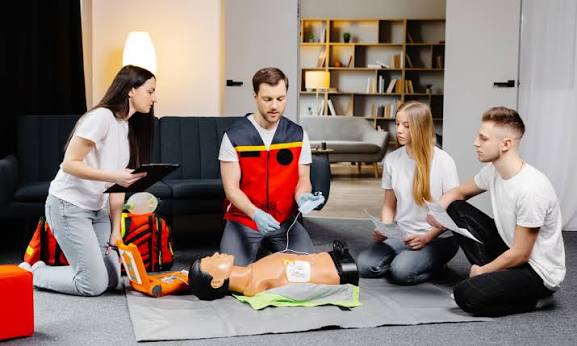
3. CPR Training Manikins:
CPR manikins are essential components of ACLS training. They help health-care providers practice chest compression, ventilation techniques, and proper response timing while receiving feedback on performance.
4. IV and Injection Training Models:
IV training arms and injection models help health-care professionals improve skills related to vascular access, medication delivery, and emergency procedures. Repeated practice helps learners become more confident and accurate.
5. Airway Management Trainers:
Airway management tools allow health-care teams to practice techniques required during emergencies. These trainers support learning related to airway assessment, ventilation, and advanced response procedures.
Benefits of Using ACLS Training Equipment
ACLS training equipment provides several advantages for health-care education programs and medical facilities:
- Builds confidence among health-care professionals
- Provides realistic practice without patient risk
- Improves clinical decision-making skills
- Strengthens teamwork and communication
- Allows repeated practice and performance evaluation
- Helps health-care teams stay prepared for emergencies
These benefits make simulation equipment a valuable resource for nursing schools, medical colleges, hospitals, and emergency training centers.
Conclusion
ACLS training equipment is an essential part of modern health-care education. From simulated medications and cardiac trainers to CPR manikins and IV practice models, these tools help health-care professionals develop the skills needed for emergency response. Through realistic simulation and repeated practice, medical teams can improve confidence, teamwork, and clinical performance, ultimately supporting safer and more effective patient care.